


Grid congestion as a new reality: why waiting is no longer an option
Energy prices have set the sustainability agenda for years. If they rise, plans are put on the table. If they fall, the urgency subsides. That rhythm is recognisable - and at the same time outdated.
Pressure on the electricity grid is now a structural fact. Not the price of energy, but the availability of grid capacity increasingly dictates what companies can and cannot do. From summer 2026, grid operators will more actively manage scarcity through social prioritisation. Specifically, those who have not designed their consumption flexibly will run into operational constraints.
Additional grid capacity not coming soon
Investments in the power grid are substantial, but implementation takes years. Waiting for reinforcement is therefore not a realistic strategy for companies facing operational decisions now. The opportunities lie on the business side of the meter - and they are concrete:
- Smartly smooth peak load by steering consumption patterns
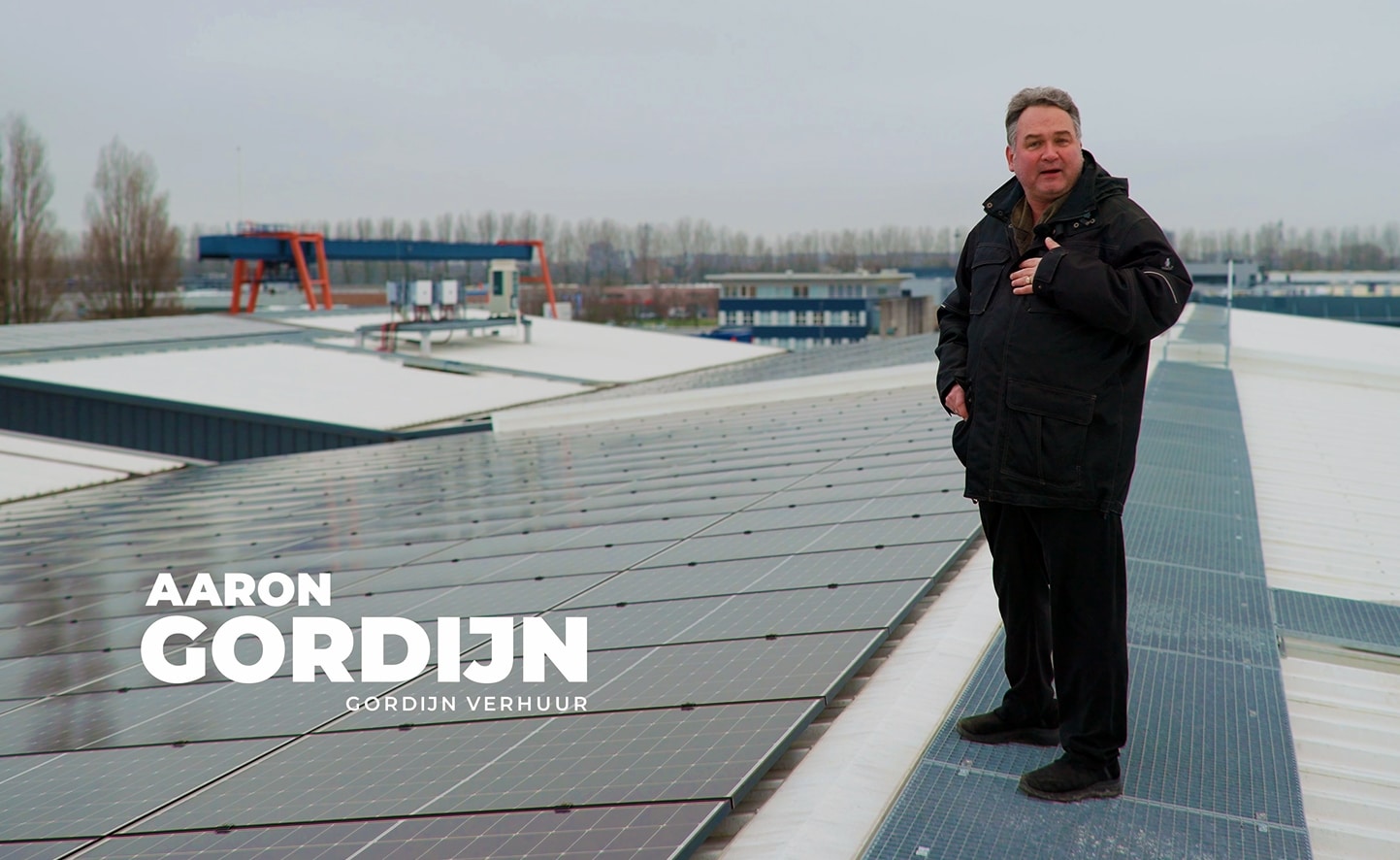
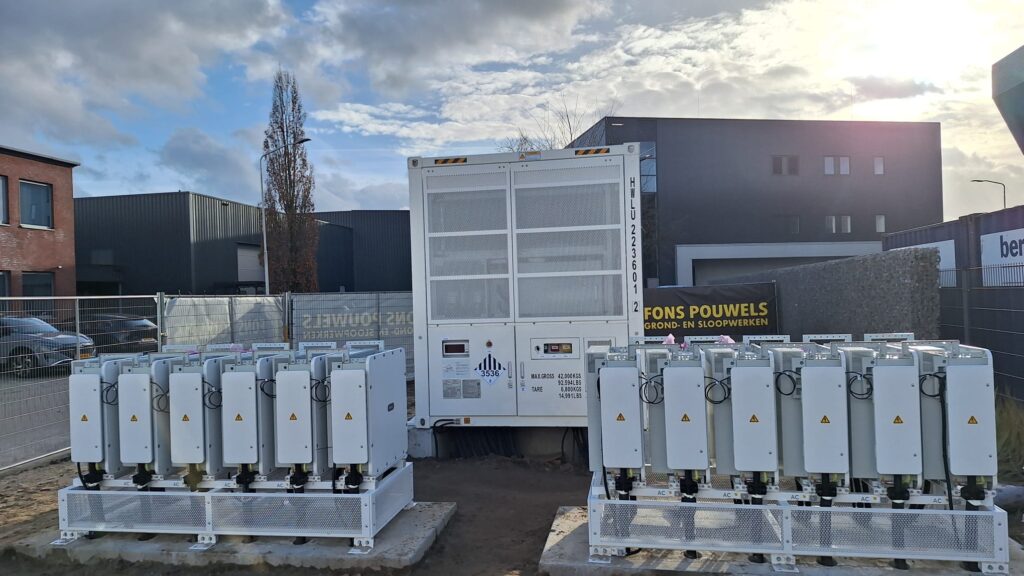
- Linking own generation (solar energy) to battery storage
- Deploying flexible feed-in when the market and grid allow it
- Energy management systems that control costs and availability in real time
Less vulnerability, more grip
Companies that structure their energy management build resilience to three recurring risks simultaneously: geopolitical turmoil that drives up energy prices, volatility in the energy market and grid congestion that can shut down operations. This is not about sustainability as an end in itself, but a rational business choice.
How ProfiNRG helps
ProfiNRG helps companies and organisations design, realise and manage energy solutions behind the meter. This creates a grip on energy, continuity in operations and even room to grow - even when the grid is full.
👉 Wondering how your company creates space behind the meter? Take contact on for an informal discussion.
 Nederlands
  English (UK)
  Deutsch