


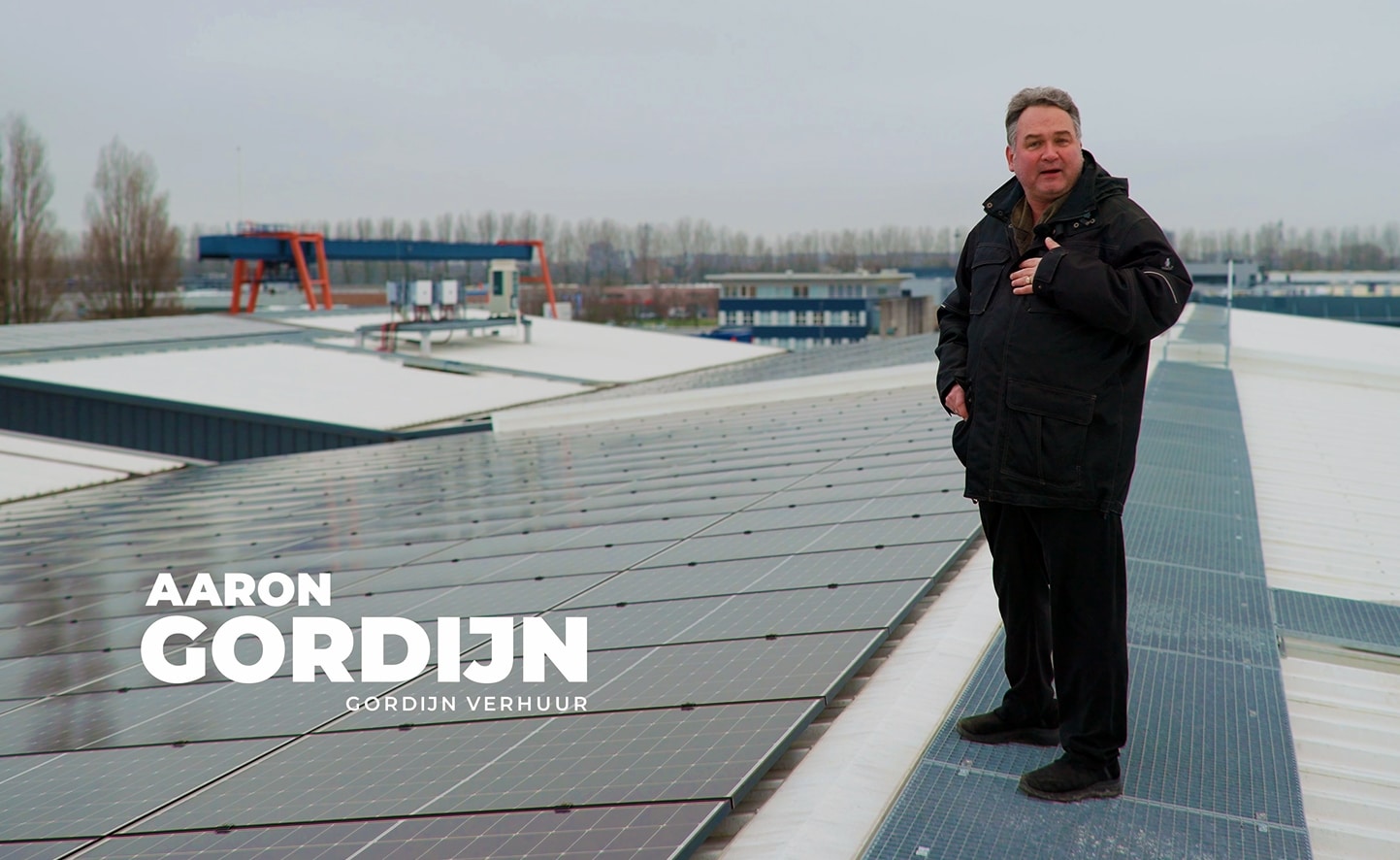
Under the growing threat of grid congestion, the role of battery storage is growing
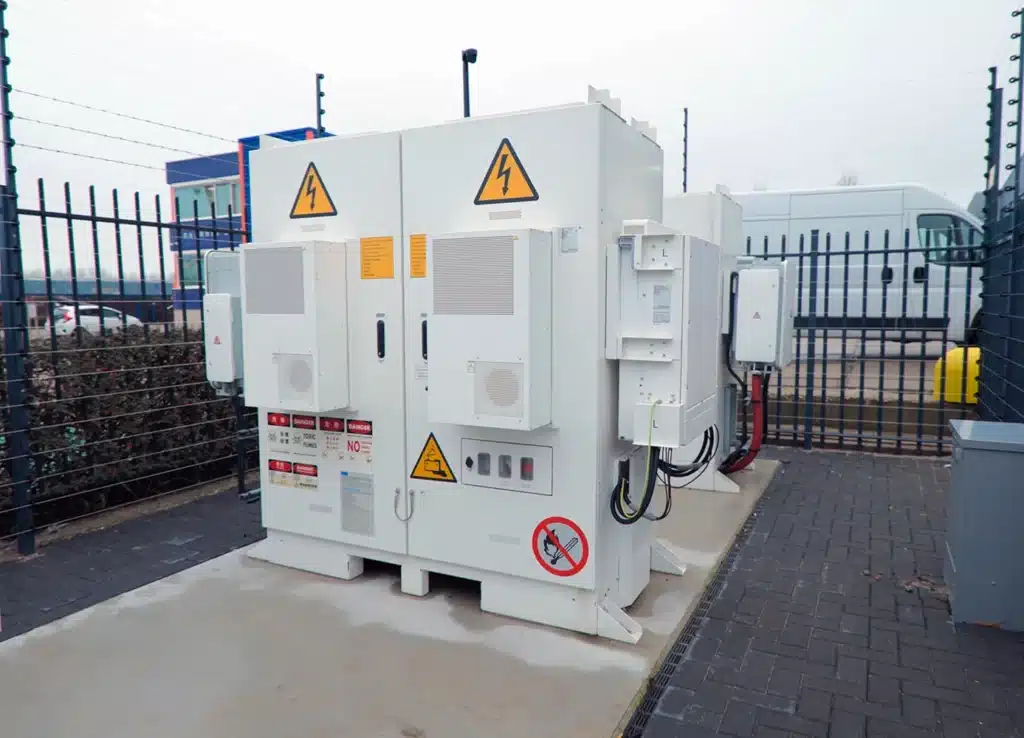
Grid congestion has been a problem for years and recently the effects became tangible for the first time, with a connection freeze for parts of the province of Utrecht. But grid congestion also offers opportunities around deployment of batteries at users and at places where energy is generated. The Rijksdienst voor Ondernemend Nederland (RVO) has worked out how large- and small-scale battery projects can be realised in a study.
The opportunities for large-scale batteries are mainly in the growing need for flexibility in electricity systems that are increasingly dependent on wind and solar power. There are also some positive developments around batteries for rollout, such as technological advances and falling prices.
But by battery type, there are also some bottlenecks, although these again provide opportunities. For instance, for the short term, grid congestion is an issue, causing long lead times for new connections. There is also limited available transmission capacity and early payment obligations cause projects to delay or not materialise. But it offers opportunities for batteries and generation as available off-take capacity can be better utilised. New contract forms can also offer opportunities due to the associated fees and discounts, although implementation still lags behind the need, according to the researchers.
Longer-term earning potential also has challenges and opportunities. Financiers seek predictable revenues but market conditions are instead variable and uncertain. This leads to uncertainty in standalone batteries and those with generation.
Look beyond the year 2030
“High and rising transport costs and limited alternative transport rights are a bottleneck, especially for standalone projects,” the researchers write. “Lower transport costs in neighbouring countries also create an uneven playing field. New contract forms 4 and time-based tariffs can offer additional revenues or discounts and thus partially offset transport costs, but this is often insufficient and implementation lags.”
To encourage large-scale batteries, the researchers make a number of recommendations. The importance of large-scale batteries should be emphasised. Looking beyond the year 2030, there should also be a national goal which is translated to the provinces. The social contribution should also be rewarded, including by working on long-term security of supply.
The other recommendations are: improve site control. This can be done, for instance, by placing batteries next to associated wind farms, not on industrial estates. And implementation should be supported, by strengthening knowledge about batteries among licensing authorities and setting up a collective collection and recycling site.
Small-scale batteries limited by double energy tax
In the report on small-scale batteries, it is noticeable that the laws and regulations lag behind technological developments. This creates difficulties in implementing and enabling battery deployment in specific electricity markets or specific applications. Dual energy taxation remains the biggest constraint for small-scale batteries and it will not be abolished in the short term.
Also concerns rising grid tariffs, the abolition of the balancing scheme and unclear tariff structures make it difficult to determine the business case for batteries. The current business model, based on the imbalance market, is expected to become less attractive.
Scaling up Vehicle-to-Grid (V2G) is also problematic, as it is slowed down by lack of interoperability, standardisation and lagging European codes. Concerns about battery degradation and a limited supply of vehicles with bi-directional charging capabilities are also inhibiting growth.
A structural solution to the dual energy load seems unfeasible in the short term because of its complexity. This causes a significant competitive advantage for large-scale batteries. The researchers would like to see this considered and find a solution for the longer term.
Furthermore, the researchers recommend that local flexibility should be used as much as possible and grid operators should no longer see it as a risk. Another problem is that the licensing process for mobile batteries is currently time-consuming. Uniform licensing or the ability to validate a system (by an external party) could significantly simplify this process.
For most consumers, it is currently unclear how to deploy a home battery and the financial risks involved. “Because of the complexity and financial risks of home batteries, it is advisable for the government to take a more active role in informing consumers,” the researchers conclude.
Source: Solar365 - Sjoerd Rispens
 Nederlands
  English (UK)
  Deutsch