


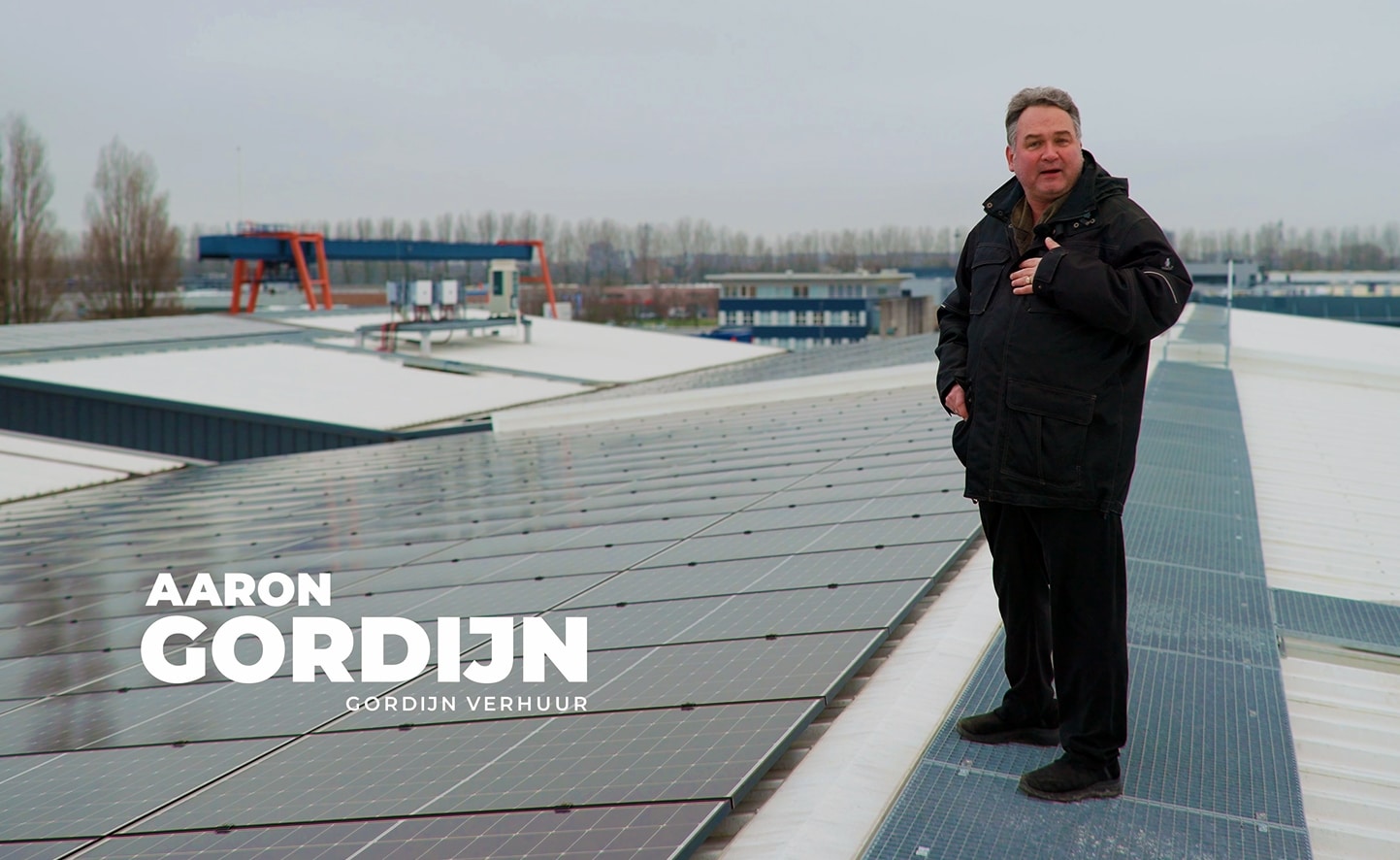
How is my SDE++ calculated? Phase and correction amount explained.

How is my SDE++ calculated?
The calculation of the SDE++ subsidy is an essential aspect for companies and institutions wishing to realise renewable energy projects. This calculation is based on two crucial components: the phase amount and the correction amount. The following explains how these amounts work and how they determine the final subsidy.
The Phase Amount
The phase amount is the maximum subsidy amount per tonne of CO2 equivalent available in a given phase of the opening round. The SDE++ scheme is divided into several phases, with each phase having a higher phase amount. This is intended to encourage the cheaper technologies first and then the more expensive technologies.
Example of phase amounts in the 2024 round of openings:
- Phase 1: €60 per tonne of CO2 equivalent
- Phase 2: €80 per tonne of CO2 equivalent
- Phase 3: € 110 per tonne of CO2 equivalent
- Phase 4: € 150 per tonne of CO2 equivalent
The Correction Amount
The adjustment amount reflects the actual market price of the energy produced by the subsidised project. This amount is set annually and can vary depending on the energy source (e.g. electricity, gas, heat).
The correction amount is set on the basis of average market prices over a given period. The idea is that the SDE++ subsidy covers the difference between the cost price of renewable energy production and the market price of conventional energy.
Calculate grant amount
The subsidy a project receives is calculated based on the difference between the phase amount and the adjustment amount multiplied by the amount of energy produced by the project. The formula for the calculation is as follows:
Subsidy=(Phase Amount-Correction Amount)× Energy Production{Subsidy} = subsidy amount
Sample calculation: Suppose a project in phase 2 (phase amount €80 per tonne CO2) produces 10,000 MWh of renewable energy, and the correction amount for that period is €50 per tonne CO2.
The calculation would then be: Subsidie=(€80−€50)×10.000=€30×10.000=€300.000
Key Considerations
- Maximum Grant Period: The grant is given for a specific period, usually 12 or 15 years, depending on the technology and the project.
- Production ceiling: There is a cap on the amount of energy eligible for subsidy, known as the production cap.
- Market price fluctuations: The adjustment amount may vary with market prices, affecting the final subsidy amount.
Conclusion
How is my SDE++ calculated? Understanding the phase and correction amount is essential for accurately estimating the SDE++ subsidy a project can receive. By knowing how these amounts are calculated and applied, applicants can better plan and develop their projects more effectively to contribute to the sustainable energy transition in the Netherlands.
Read more about SDE++. On the website of RFO is also a lot of information on SDE++,.
 Nederlands
  English (UK)
  Deutsch